
Using an Ignition Interlock in an Ottawa Winter
At minus twenty the handset behaves differently. Warm-up routines, where to keep the unit overnight, and why January mornings need ten extra minutes.
The device is not only measuring alcohol. It is also checking the sample came from a real set of lungs, and that second test is the one people fail.
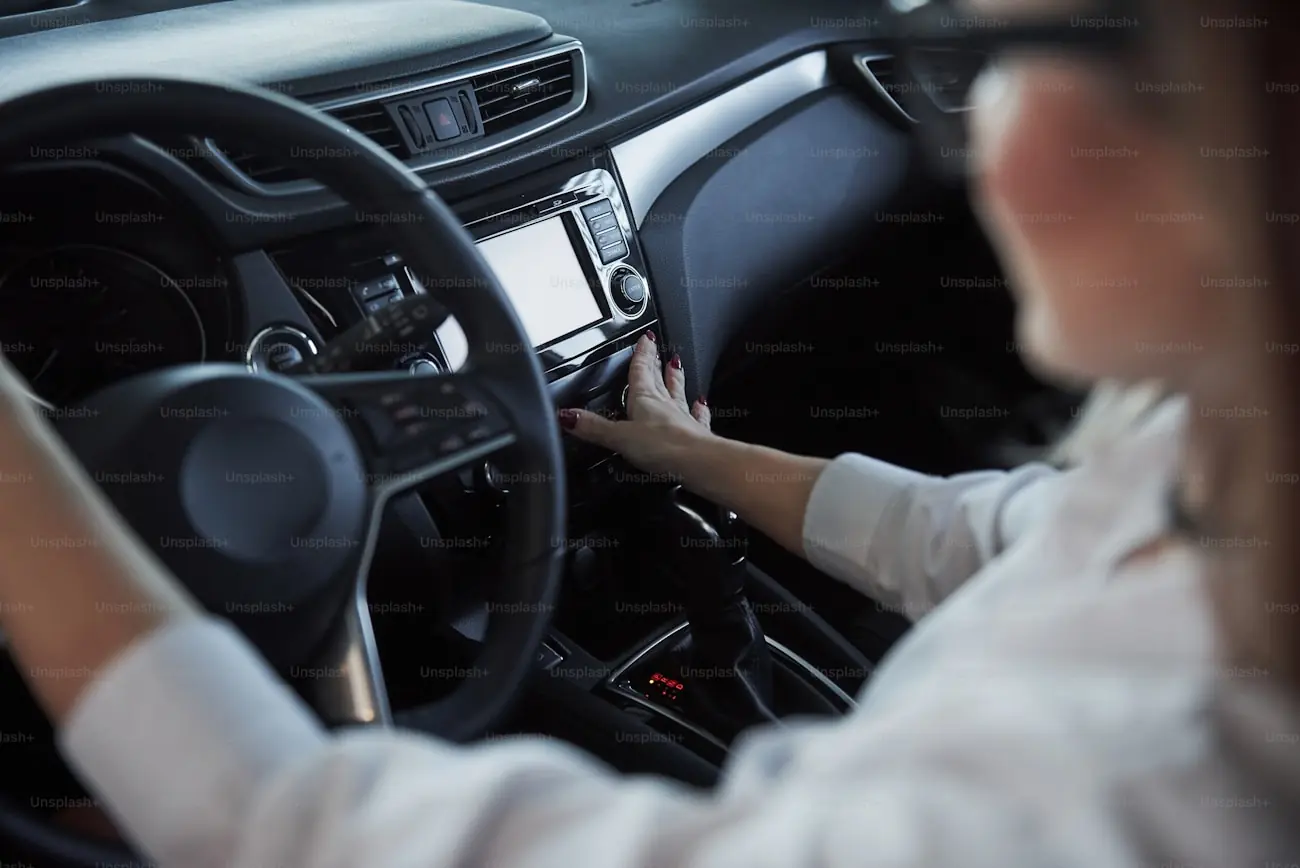
An approved Ontario device will not start the engine above a preset limit of 0.02 blood alcohol concentration. Getting under that is rarely the problem. The problem is delivery: the unit wants a steady exhale with a note behind it — a hum, held — rather than the short hard puff everyone instinctively gives it.
The hum exists so the device can tell deep lung air from a squeeze of a bag or a puff of cheek air. No hum, no accepted sample, whatever your actual reading is.
None of that is about drinking, and none of it is obvious from a five-minute walkthrough at the installer.
Mouth alcohol. The sensors are alcohol-specific fuel cells and they detect ethanol from any source at all — mouthwash, some medications, yeast-containing food. It sits in the mouth for a few minutes and reads far higher than your blood does.
The fix is unglamorous: rinse with water and wait ten to fifteen minutes.
A reading over 0.02 is recorded as a performance failure regardless of what produced it. Mouth alcohol is a reason to rinse and wait before you blow, not an explanation you can offer afterwards.
A fuel cell is a chemical instrument and chemistry slows in the cold. At −20 °C the unit takes noticeably longer to become ready, and a sample given before it is ready gets rejected. That is the unit declining to guess, not a fault.
Most people learn the blow on their own car, where every rejected sample is logged against them, and meet their first roadside retest alone. The alternative is practising on someone else’s device, where nothing you do touches your monitoring record.
That is most of what the ten-hour ignition interlock training course is for, and how does an ignition interlock work? covers the sensor itself.
A rejected sample is not the same as a failed one. The device records what it measures; a sample it could not read is not a reading over 0.02. Repeatedly failing to provide a valid sample is a different matter, so the technique is worth getting right.
Yes, and that is rather the point. The unit in our vehicle is ours, on our own service schedule. Nothing you do in our car appears in the monitoring record for the device leased to you.
At minus twenty the handset behaves differently. Warm-up routines, where to keep the unit overnight, and why January mornings need ten extra minutes.
We rent an interlock-equipped car for a G2 or G road test and teach the device in ten hours of in-car training. Send the date and we will quote it in writing.
Phone is faster. Someone answers Monday to Saturday, evenings included.